

Imagine a time when a pottery company’s entire market was defined by how far a horse could trot in one day.
That was the reality for the founders of a now-iconic American brand. This business began in 1811 in York County, Pennsylvania. German immigrant potters set up a kiln right on their homestead.
Their original customer base lived only as far as they could travel by wagon and return home before nightfall. This humble start laid the foundation for a remarkable legacy.
Over two centuries, that small family operation evolved. It grew into a major name known for tabletop essentials. Today, the brand offers a wide range of products for the modern home.
Understanding these origins helps you appreciate the rich story behind every piece. The company has built a reputation for quality that spans generations. Each plate, bowl, and accessory carries a piece of American history.
This journey from a local pottery to a beloved national brand is a testament to enduring craftsmanship. Let’s explore the roots that make these items so special.
Key Takeaways
- The company was founded in 1811 in York County, Pennsylvania.
- It started as a small, family-run pottery business by German immigrant craftsmen.
- Its original sales radius was limited to a single day’s horse-and-wagon journey.
- It has evolved over 200+ years into a well-known American brand.
- The brand is recognized for quality dinnerware, serveware, drinkware, and flatware.
- Knowing the history adds depth and value to every piece you own.
- It remains a symbol of traditional American craftsmanship and family legacy.
Historical Roots and Heritage of Pfaltzgraff
The year 1811 marked the start of an enduring American craft story in York County. German immigrant potters built their first kiln on the family homestead. This humble beginning defined a legacy of quality.
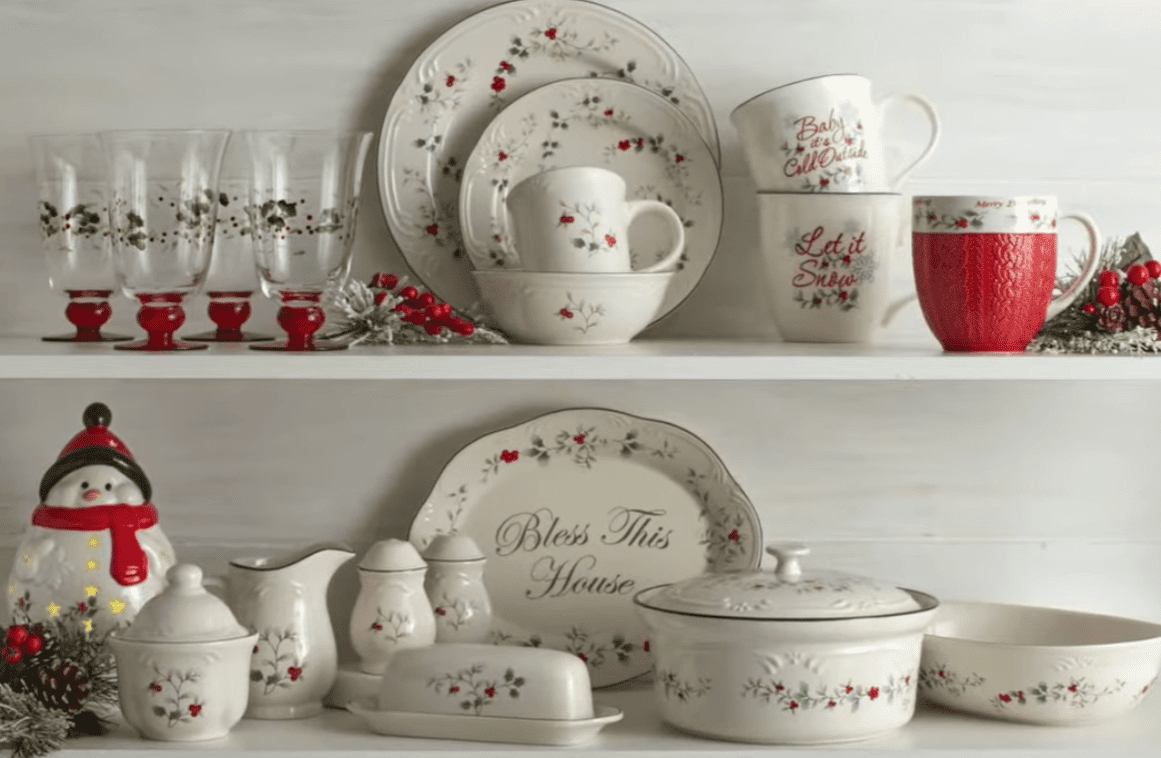
Local blue clay and limestone formed the basis for their early stoneware. The business relied on hand-powered machinery. By 1850, the shop produced an impressive 16,000 gallons of ware.
The Beginnings in York County and Early Craftsmanship
Early artisans used a salt-glazing technique. They threw rock salt into the kiln during firing. This process created a distinctive, glossy finish on their pottery.
Brothers George and Henry Pfaltzgraff formalized their partnership in 1889. They constructed their first factory just five years later. This move modernized production for the growing market.
Family Legacy and Evolution Through Generations
The household faced the Great Depression’s challenges in the 1920s. They continued making essential items like butter churns. This resilience kept the operation alive during hard years.
Louis J. Appell purchased the company in 1935. His stewardship ensured survival into a new era. The line adapted by introducing art pottery lines.
This evolution across five generations showcases a deep history. It reflects a commitment to craftsmanship and quality that defines the brand’s products today.
Manufacturing Process and Artistry Behind Pfaltzgraff
Creating durable, beautiful tableware requires a careful balance between time-honored techniques and contemporary technology. This blend defines the production journey.
The company has always adapted to move forward. A major fire in 1906 led to building a new, more efficient plant in West York.
Traditional Techniques and Stoneware Craftsmanship
High-quality clay forms the foundation. Artisans carefully control kiln temperatures.
This ensures every stoneware plate and bowl is strong. The legacy of hand-finishing touches remains in many pieces.
Modern Production Methods and Quality Control
Innovation accelerated in 1985 with a new computer system. It created 3D models for designing dinnerware.
The business expanded its line in the 1970s with a metalware plant. Later, it refocused on core ceramic products.
Acquiring Treasure Craft in 1988 broadened manufacturing reach. Optimized lines now handle high demand for sets efficiently.
Rigorous checks maintain quality standards for all items.
| Aspect | Traditional Approach | Modern Approach |
|---|---|---|
| Design & Prototyping | Hand-sketched concepts, physical molds | 3D computer modeling and digital machining |
| Material Processing | Local clay, manual preparation | Precision-mixed compounds, automated systems |
| Production Scale | Single kiln, limited batch sizes | Optimized lines for high-volume output |
| Quality Assurance | Visual inspection by master craftsmen | Standardized checks at multiple stages |
This evolution ensures each product carries forward a legacy of artistry. Modern precision guarantees the quality you expect for your home.
Where Is Pfaltzgraff Dinnerware Made
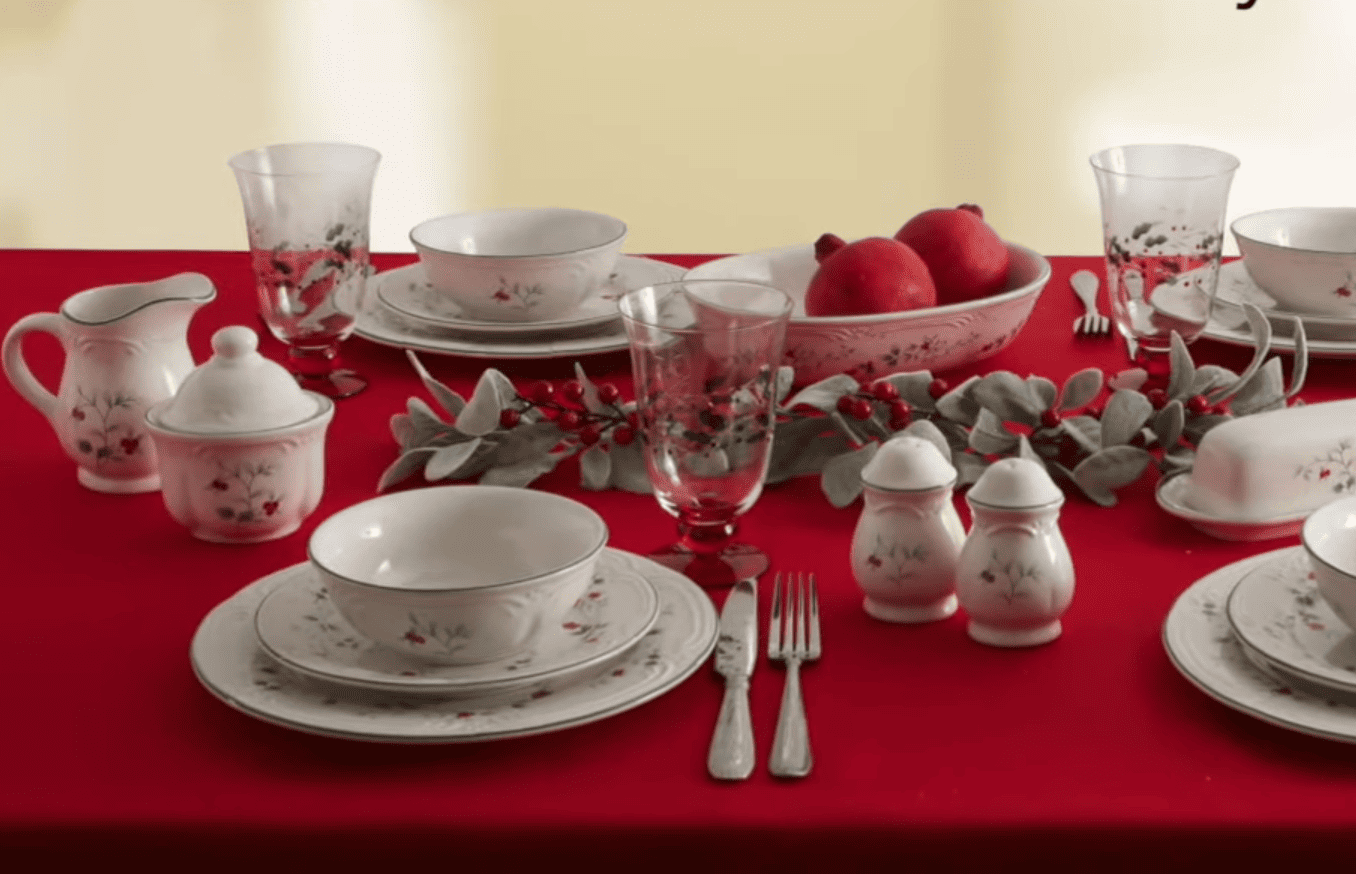
The familiar stamp on the bottom of each piece serves as a direct link to over two centuries of American craftsmanship. This mark represents more than just a brand name. It signifies a legacy of quality that has adapted to modern manufacturing while honoring its roots.
Manufacturing Locations and Production Facilities
In 2005, The Pfaltzgraff Co. joined Lifetime Brands, Inc. This move provided new resources and distribution networks. Modern facilities are now strategically located to serve the entire United States efficiently.
The company focuses on its core ceramic expertise. It manages a streamlined supply chain to deliver complete dinner sets to retailers. This operational efficiency ensures popular patterns remain readily available.
Ensuring Consistent Quality and Authenticity
A commitment to high standards remains unchanged. Every product undergoes strict quality control checks. These protocols verify that each item meets historical benchmarks for durability and finish.
That distinctive stamp on your dishware is your guarantee.
It’s a promise that the piece you hold connects to the same values established in Pennsylvania long ago.
By blending updated technology with timeless design principles, the company maintains its competitive edge. You can trust that stoneware and other items produced today continue a proud tradition of quality.
Pfaltzgraff Designs, Patterns, and Market Influence
A single pattern, launched in the late 1960s, would go on to redefine the casual dinnerware market for generations. This creative vision propelled the brand beyond simple pottery into the realm of cultural icon.
The company’s ability to connect with consumers through relatable designs built lasting loyalty.
Iconic Patterns and Their Cultural Impact
Introduced in 1967, the Yorktowne pattern became the largest-selling tabletop pattern in history. Its simple blue flower on a gray background resonated deeply, offering timeless style.
By 1989, six of the top fifteen casual dinnerware patterns chosen by American brides came from this brand. This demonstrated a dominant influence on home aesthetics.
Other beloved designs like Folk Art, Village, and America further solidified this leadership. Each collection catered to a distinct taste, from rustic charm to patriotic pride.
The line constantly evolved with the time. This adaptability kept products relevant in the home decor industry for decades.
In the early 1990s, the company expanded its reach dramatically. It licensed its popular patterns to makers of textiles, rugs, and window treatments.
This strategy created a coordinated “total home” concept for customers. By 1992, over thirty licensing agreements were in place.
The cultural footprint of these items is noted in publications like Shax Riegler’s book on dinner plates. Maintaining a diverse range ensures the brand meets evolving consumer desires for both style and enduring quality.
Conclusion
The success of this company proves that timeless design and steadfast craftsmanship never go out of style. For over two centuries, Pfaltzgraff has navigated history, evolving its product line from a local pottery into a beloved national brand.
Today, you can enjoy classic patterns with all the durability of modern manufacturing. This blend of heritage and innovation ensures your stoneware dinnerware stands the test of time in any home.
Looking ahead, the company remains dedicated to creating beautiful and functional products. This commitment brings enduring quality and style to your table setting, honoring the original founders’ vision with every new order.