

For over eight decades, Mikasa has been a part of more than 50 million American households. This beloved brand didn’t start with its famous name.
Its story began in 1936 with a company called All Star Trading. The name we all know was introduced to the public much later, in 1957.
Over a long period of time, the small import-export business grew into a global leader. It now dominates the casual tabletop market.
Many people wonder about the origins of their favorite plates and bowls. The answer is more global than you might think.
This company uses a vast network of international partners for production. This strategy ensures high-quality and beautiful designs for your home.
Our guide explores this fascinating manufacturing journey. We’ll look at the history and modern practices that define the brand today.
You’ll get a clear picture of how global craftsmanship creates the products on your table.
Key Takeaways
- The Mikasa brand has a rich history dating back to 1936.
- It evolved from a small trading company into an international tabletop leader.
- Production is not limited to one country but involves a global partner network.
- Understanding its manufacturing helps appreciate the quality and design.
- The brand’s identity is shaped by both its past and present global strategies.
- This exploration provides clarity for consumers about their tableware’s journey.
History of Mikasa Dinnerware and Its Global Evolution
The story of this beloved tabletop brand traces back to 1936, when it began as a modest import-export business. Founded by Setsuo Aratani, All Star Trading laid the groundwork for what would become an iconic name.
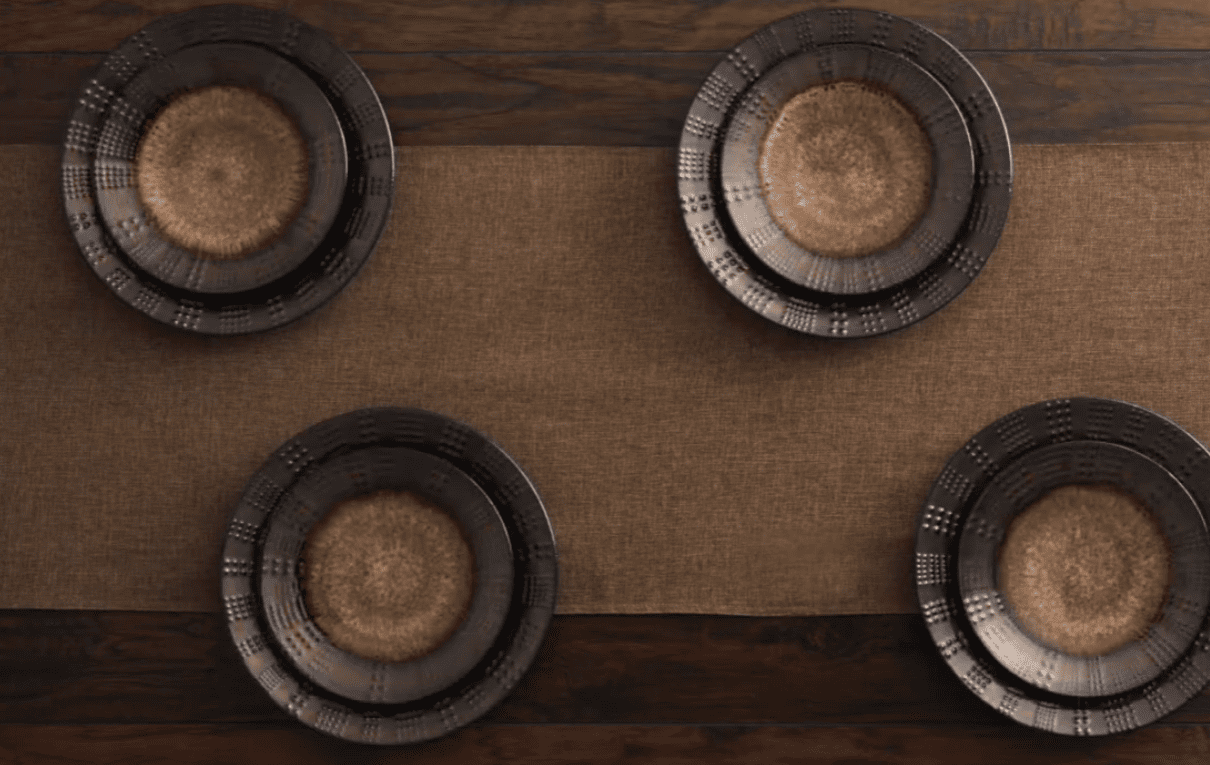
From All Star Trading to the Mikasa Brand
This company transitioned to selling fine china made in Japan. Over time, it built a reputation for quality that customers cherished.
Key Milestones in Expansion and Innovation
Alfred Blake joined in 1965, when annual sales hit $5 million. His leadership sparked growth in the 1970s.
The brand expanded its product lines to include beautiful crystal stemware and decorative accessories. This attracted new customers seeking elegant table settings.
During challenging years in the 1980s, the company invested money wisely. It diversified offerings and embraced fresh designs.
Annual sales jumped from $26 million in 1976 to $137 million by 1985. This growth highlights a focus on quality dinnerware and crystal products.
Overview of Mikasa’s Production and Quality Craftsmanship
By collaborating with over 150 factories worldwide, Mikasa ensures each piece meets rigorous standards. This decentralized model focuses on expertise rather than ownership.
The brand’s strength lies in its global partnerships. It taps into regional craftsmanship to deliver beautiful tableware.
Contract Manufacturing Across 25 Countries
By 1997, the company worked with 150 facilities across 22 nations. It does not operate its own plants.
This strategy allows access to specialized skills. Factories in different regions excel at specific materials and techniques.
The Charleston, South Carolina distribution center, opened that same year, streamlines the service network. It efficiently handles logistics for the North American market.
| Country | Specialty | Notable Contribution |
|---|---|---|
| Japan | Fine China & Historical Production | Origin of early fine china and iconic china made pieces |
| Malaysia | Bone China & Modern Manufacture | High-quality bone china for contemporary patterns |
| Thailand | Diverse Tableware Items | Production of a wide range of durable items for daily use |
| Italy | Design Innovation | Collaboration on artistic designs and decorative techniques |
| United States | Distribution & Logistics | Centralized hub for order fulfillment and customer service |
Craftsmanship and Quality Control Standards
Every product undergoes strict inspection. Quality benchmarks are uniform, whether items come from Malaysia, Thailand, or were historically made japan.
“Every piece, regardless of origin, must pass the same rigorous inspection. Our standards are global, not regional.”
New patterns and collections debut each year. This keeps offerings fresh and exciting.
The commitment to craftsmanship ensures elegance meets durability. Your tableware is designed for both special occasions and everyday use.
This flexible approach lets the brand adapt quickly. It can introduce new designs without the constraints of factory ownership.
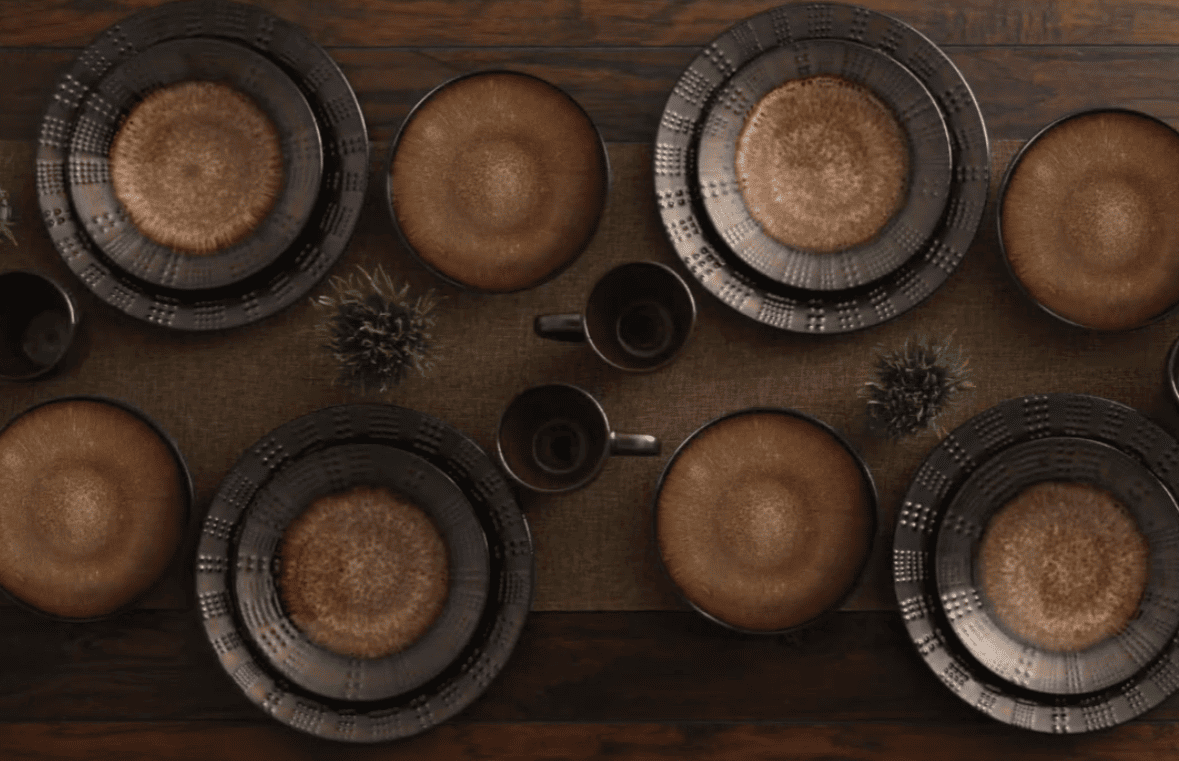
Where is Mikasa Dinnerware Made: Understanding the Manufacturing Process
A pivotal moment in the brand’s global journey arrived in 1986 with a major shift in the Japanese yen. This event forced a strategic rethink of its entire production model. The process is defined by smart adaptation to global economics and a relentless focus on design.
Impact of Currency Shifts and Global Production Shifts
When the yen appreciated, costs for fine china and other pieces produced in Japan soared. To keep dishes affordable for customers, leadership made a crucial decision. They moved a significant portion of manufacturing to facilities in Malaysia, Thailand, and Yugoslavia.
This move saved a substantial amount of money. It also protected the brand’s competitive edge during those years. The strategy ensured beautiful tableware remained accessible for every home.
Flexibility in Design and Product Range Expansion
The financial flexibility gained allowed for exciting growth. The product range expanded to include luxurious bone china and decorative accessories.
Agility in design is a key strength. New patterns and artistic designs launch each year. This keeps the collections fresh and on-trend.
Every plate in a set is crafted with precision. This reflects a deep commitment to quality across all global partners. A diversified manufacturing base manages thousands of items efficiently.
This system guarantees consistent service and reliability for every customer.
| Era | Primary Production Focus | Key Driver | Result |
|---|---|---|---|
| Pre-1986 | Japan-centric for china made pieces | Historical expertise and quality reputation | High-quality goods with rising production costs |
| Post-1986 | Diversified network across Southeast Asia & Europe | Currency economics and cost management | Broader product range (bone china, accessories) and maintained affordability |
Caring for Your Mikasa Dinnerware: Use, Cleaning, and Safety Tips
Your beautiful tableware deserves care that matches its craftsmanship. Proper maintenance ensures your favorite pieces remain stunning for many years of daily use.
Dishwasher vs. Hand Washing Best Practices
Many everyday items are dishwasher-safe. For delicate dishes with fine patterns or metallic accents, the official website recommends hand washing. This protects their beauty.
Immediately rinsing coffee cups prevents stubborn stains. This simple tip is popular among people who love their tableware.
Microwave, Oven, and Freezer Safety Guidelines
Follow these rules to avoid damage:
- For oven warming, never exceed 225°F for the first 10 minutes.
- Never place cool dinnerware into a preheated oven. This prevents thermal shock.
- Most pieces are microwave-safe, but avoid metallic trim.
- Freezer use is generally safe for short-term storage.
This content is part of our ongoing support for your home. We appreciate your thanks and are glad to help your collection shine.
Exploring the Range: Bone China, Fine China, and Vegan Bone China
The world of elegant table settings offers distinct choices, from classic bone china to modern vegan alternatives. This brand provides a wide range to suit any home, blending traditional craftsmanship with innovative materials.
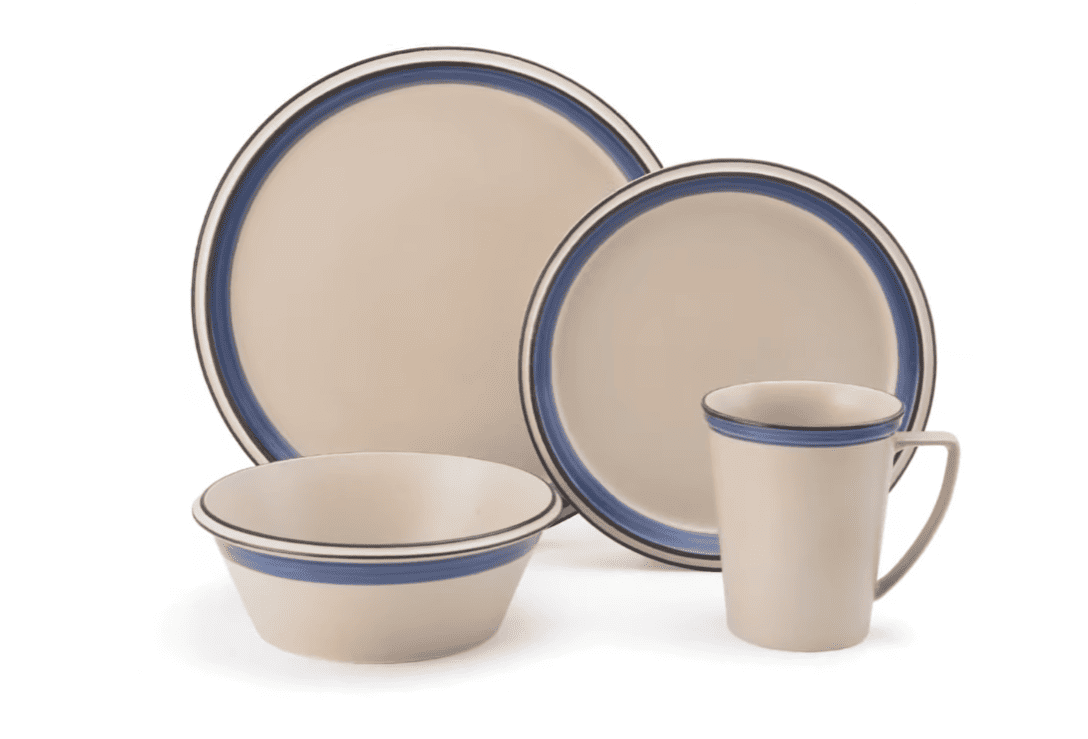
Design Variations and Metallic Patterns
Many patterns feature delicate metallic accents. These artistic designs elevate a simple white plate into a statement piece.
New collections launch each year, keeping the selection fresh and exciting for all customers.
Durability, Chip Resistance, and Everyday Use Considerations
Traditional fine china and bone china are crafted for strength. The classic formula uses minerals like feldspar, kaolin, and quartz.
For a 100% bone-free option, vegan bone china replaces bone ash with calcium oxide and phosphoric acid. Both create remarkably chip-resistant items.
Your dishes are built to withstand daily use while maintaining their refined beauty. The official website offers detailed content to help you choose the perfect pieces.
Thanks to advanced manufacturing, this product line delivers elegance without sacrificing resilience. The support team is always ready to assist with any questions.
Conclusion
The global journey of your tabletop pieces reflects a commitment to accessible luxury. This brand’s legacy uses a worldwide network. It creates beautiful bone china and fine china. Early pieces were made in Japan, highlighting historic skill.
Flexible designs and a new pattern each season offer value for your money. Customers worldwide appreciate diverse patterns. Explore the full range on the official website. You’ll find everything from complete sets to individual dishes.
Luxurious bone china and elegant crystal stand as hallmarks. With proper care, your dinnerware and china ensure long service. Hand washing preserves delicate product beauty. We hope this guide helps each customer enjoy these items for daily use.