
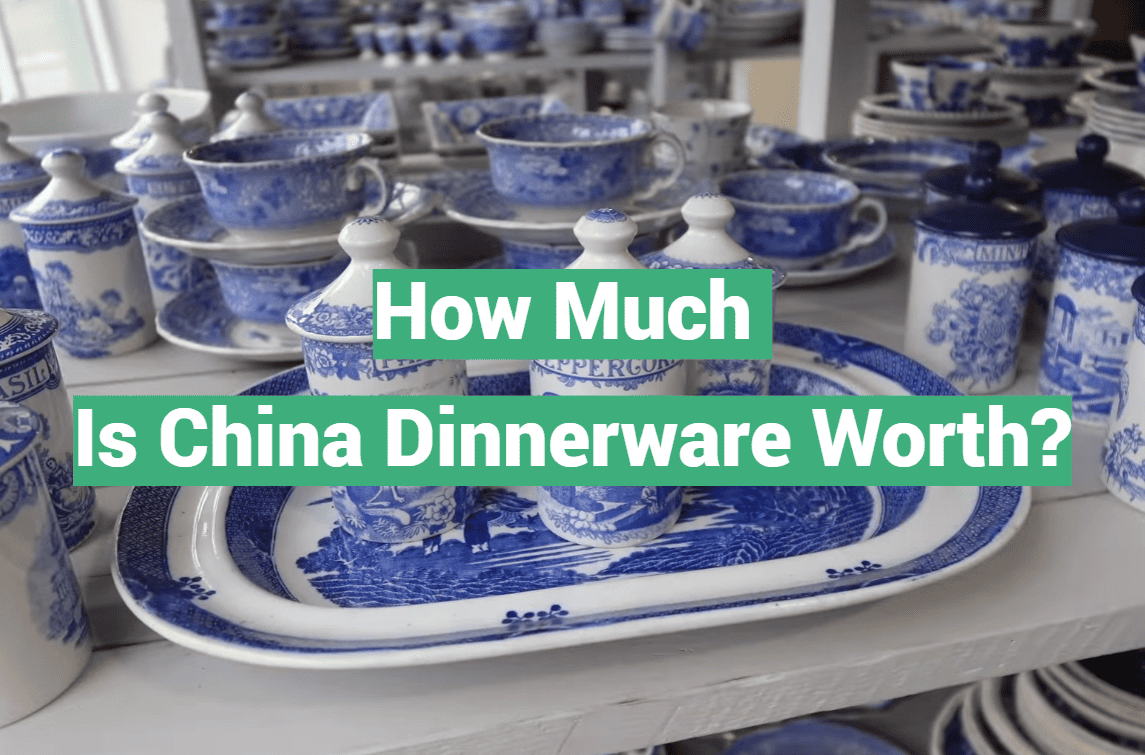
In 2018, a single antique porcelain dinner plate sold for over $50,000 at auction. This stunning sale highlights the significant financial and historical value that can be hidden in our cupboards.
For many, inherited or collected tableware holds more than memories. It represents a tangible link to past craftsmanship and artistry. The market for these delicate items remains vibrant and full of intrigue.
Understanding what you own requires looking beyond the surface. You must explore the maker’s mark, the era of production, and the artistic movements that inspired the design.
Whether you have a full set or cherished individual pieces, knowing their true place in the market is empowering. It transforms curiosity into confident knowledge.
Our guide is designed to help you on this journey. We provide the tools to navigate the fascinating world of antique and vintage china with clarity.
Key Takeaways
- Antique porcelain often carries surprising monetary and historical worth.
- Many pieces are cherished heirlooms with deep personal and cultural significance.
- Identifying the maker and era is crucial for an accurate appraisal.
- The collector’s market actively seeks unique patterns and discontinued lines.
- Understanding market dynamics helps in making informed decisions about your collection.
- A systematic approach can unlock the stories and value behind your tableware.
Introduction to Antique and Vintage China Dinnerware
The world of antique and vintage tableware offers a captivating blend of history, artistry, and enduring style that continues to attract enthusiasts. These pieces serve as tangible connections to past craftsmanship, telling stories through their patterns and forms.
Overview of Collectibles and Trends
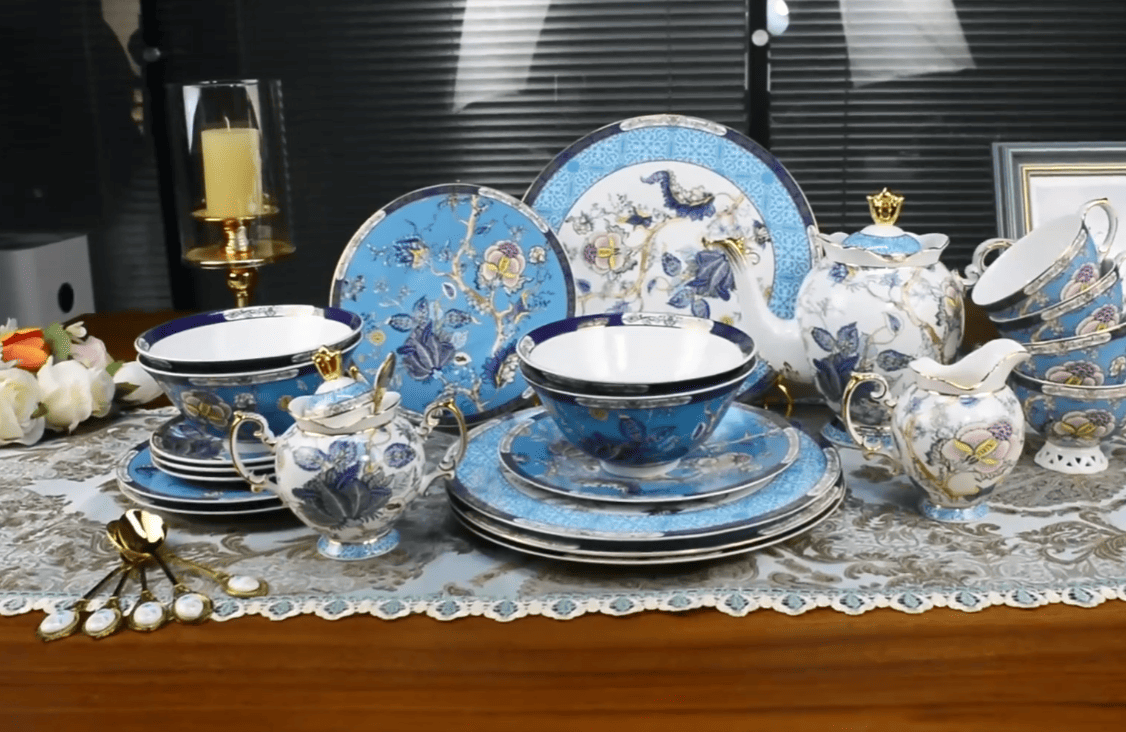
Many collectors today appreciate the distinctive charm of older dinnerware. The quality found in these items often surpasses modern mass-produced alternatives. Establishments like Legacies Upscale Resale in Cincinnati provide curated spaces where such treasures await discovery.
Understanding the difference between antique and vintage pieces is crucial for new enthusiasts. This knowledge forms the foundation for building a meaningful collection. Interior design trends significantly influence which patterns gain popularity in the current market.
By exploring the history behind these collectibles, one gains deeper appreciation for the artistry involved. Each piece represents careful effort and creative vision. This connection to heritage makes antique and vintage sets truly unique.
Exploring Chinese Patterns, Designs, and Porcelain
Porcelain patterns are a visual language, encoding historical influences and artistic movements within their delicate borders. To read this language is to understand the piece’s soul.
This exploration connects the artistry on the surface with the deep legacy of craftsmanship beneath it.
Notable Patterns and Historical Context
Many iconic china patterns bear the name of a place or person. These names are clues to the story behind the designs.
Researching a specific china pattern often leads to a designer’s signature or a historical event that inspired it. This context turns a beautiful object into a documented piece of art history.
Classic patterns mirror the cultural values of their time. Understanding this history helps explain why some sets are considered more rare and desirable today.
The Legacy of Porcelain Manufacturing
The creation of fine china is rooted in centuries of tradition. Each manufacturer perfected unique methods for making durable and beautiful porcelain.
High-quality production relies on complex firing processes. These steps ensure the item’s longevity and brilliant finish.
This rich manufacturing history is why antique china carries such weight. It represents generations of skill and innovation captured in a single, usable piece of porcelain.
how much is china dinnerware worth
From the rarity of a pattern to its physical condition, multiple aspects shape what collectors will pay. Appraising collectible tableware requires looking at several key elements together.
Each factor contributes to the final market price. Understanding them provides a clear picture of your collection’s potential.
Key Factors That Influence Value
The rarity of a specific china pattern is a primary driver. For instance, the Tiffany Cirque Chinois was made from 1906 to 1991.
Its long production span makes complete sets findable. Yet, its distinctive design keeps demand high among people.
The manufacturer and era of production are equally critical. Spode Stafford White, produced from 1989 to 2015, is a modern classic.
Its 22-carat gold edge signifies luxury. This elevates its standing in the dinnerware market.
Artistic details like hand-painted birds or flowers add immense worth. The Copenhagen Flora Danica pattern showcases this beautifully.
Its delicate botanical illustrations are a benchmark for quality. Similarly, Royal Copenhagen Blue Fluted, from 1775, set an early standard.
Condition drastically affects price. A piece with no chips or cracks is far more valuable.
Even a single hairline fracture can reduce worth significantly. Collectors seek items in pristine state.
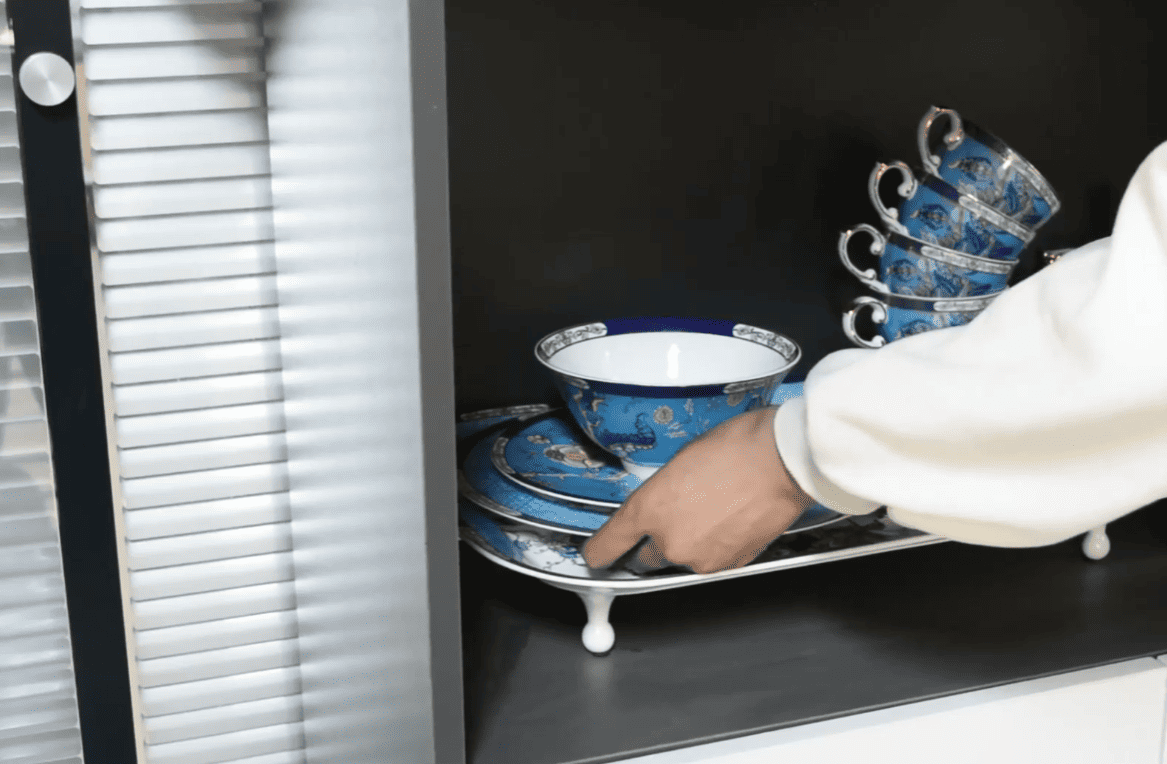
The form of the item also matters. A light and delicate tea cup and saucer can be priced differently than heavy dinner plates.
Complete sets are typically most desirable. However, rare individual pieces can also attract strong interest.
| Factor | Impact on Value | Example Pattern |
|---|---|---|
| Pattern Rarity & Age | Older, discontinued patterns often command higher prices due to scarcity. | Tiffany Cirque Chinois (1906-1991) |
| Manufacturer & Production Era | Prestigious brands and limited production runs increase desirability. | Spode Stafford White (1989-2015) |
| Artistic Detail | Hand-painted motifs like birds or flowers add significant value. | Copenhagen Flora Danica |
| Condition | Pieces without chips, cracks, or repairs retain maximum worth. | Mint condition dinner plates |
| Item Type & Form | Complete sets are prized, but rare individual pieces like tea cups can also be valuable. | Royal Copenhagen Blue Fluted tea set |
Step-by-Step Valuation Process for Your China
Unlocking the market value of porcelain requires methodical research and careful assessment. A clear process helps you understand what your collection can achieve.
Follow these steps used by seasoned collectors. They transform guesswork into confident knowledge.
Researching Comparable Items and Online Marketplaces
Begin by exploring popular websites like eBay or Etsy. Look for your specific pattern and note final sale prices.
Compare your items to similar sets or individual pieces. This gives a realistic view of the current market.
Documenting each dinner plate or serving dish is crucial. Accurate records support your findings.
Assessing Condition and Rarity
Examine every piece for chips, cracks, or repairs. Flawless dishes hold the highest value.
For a rare set, consider an expert opinion. A professional appraiser provides precise insights.
This approach ensures you don’t overlook key details. It turns your vintage china into a well-understood asset.
Identifying China Makers and Authentic Patterns
Every genuine piece of porcelain carries a hidden signature on its underside. This information is your first clue to authenticity and history.
Turning a plate over reveals the story’s start. The marks and writing there are crucial for any collector.
Recognizing Maker’s Marks and Date Stamps
Always check the bottom of each item for official stamps. These details confirm the manufacturer and production era.
A specific date stamp provides key facts about creation. It tells you when the item was originally released.
Record every symbol or signature you find. This careful documentation builds a reliable profile for your set.
Tracing the Historical Origins of Patterns
Discovering the name behind a china pattern adds depth to your collection. Research often involves consulting reference books.
Historical societies can verify a production name. This process reveals the artist or factory responsible for the design.
Understanding these origins turns beautiful pieces into documented art. It confirms the legacy of your favorite china patterns.
Assessing Condition and Its Impact on Pricing
Flawless condition is the golden standard that elevates tableware from merely old to genuinely valuable. The physical state of your porcelain collection directly dictates its market appeal and final sale price.
Collectors pay a premium for items that have survived decades without damage. Even minor flaws can significantly reduce what a buyer is willing to offer.
Evaluating Chips, Cracks, and Repairs
Inspect each piece under good light. Run a finger along the rim to feel for tiny chips the eye might miss.
Hairline cracks are serious defects. They compromise the structural integrity of the item and diminish its value.
Damage to the gilt detailing or glossy glaze is common. This often results from dishwasher use, which can dull the brilliant finish.
Always check for evidence of past repairs. A professional restoration might preserve some worth, but amateur glue work usually renders a piece decorative only.
Surface wear tells a story of use. Frequent utensil contact leaves fine knife marks on plates, signaling the set was enjoyed regularly.
| Type of Flaw | Description | Impact on Value |
|---|---|---|
| Chip | A small piece missing from the rim or foot. | High reduction; often cuts worth by 50% or more. |
| Hairline Crack | A thin fracture in the body of the porcelain. | Severe reduction; collectors typically avoid. |
| Gilt Wear | Fading or loss of metallic gold or silver trim. | Moderate reduction; affects visual appeal. |
| Professional Repair | Nearly invisible restoration by an expert. | Minimal to moderate impact. |
| Amateur Repair | Visible glue or clumsy mending. | Major reduction; item is often for parts only. |
Handling your fine china with care is essential. Proper storage and gentle cleaning preserve the beauty of a cherished china pattern for future generations.
Market Trends and Collector Insights
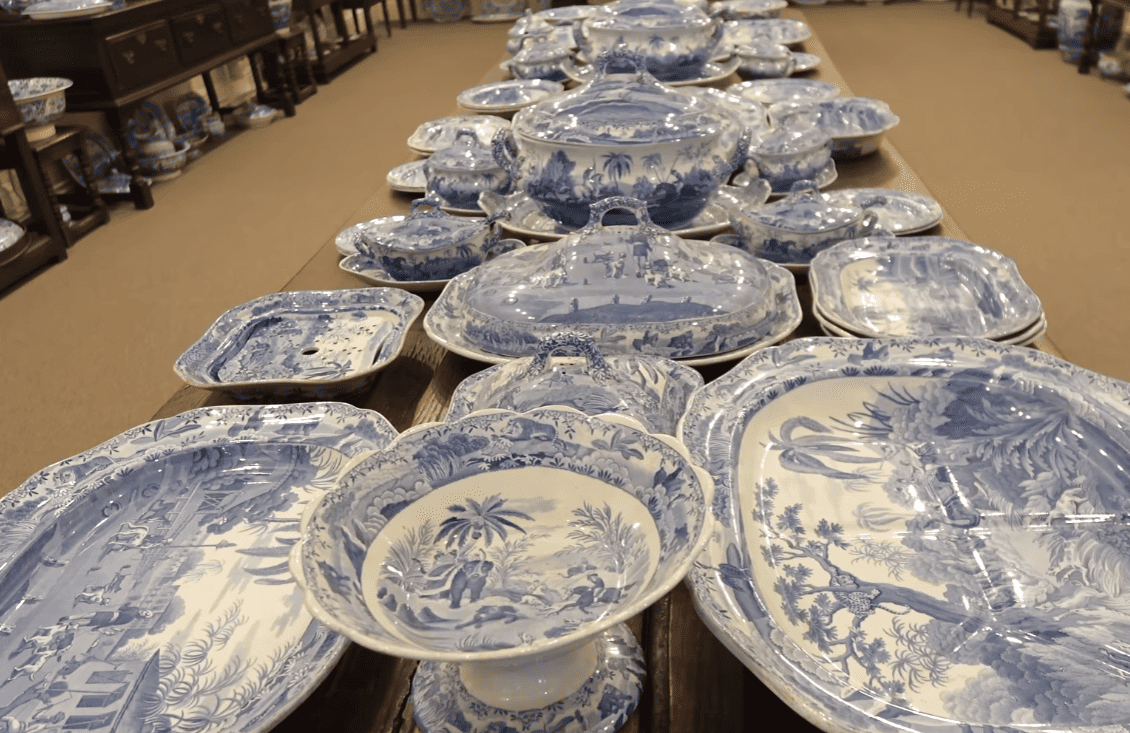
Collector preferences in the U.S. market are increasingly driven by a desire for unique, story-rich pieces. Current interior design trends significantly shape what people seek for their homes.
Current Demand in the U.S. Market
Many buyers today show strong interest in vintage tableware featuring intricate details. Gold trim or delicate floral motifs are particularly popular.
Patterns like Royal Copenhagen‘s Copenhagen Flora Danica remain highly sought-after. Collectors prize the exquisite hand-painted birds and flowers on these pieces.
The value of a complete set can change with the time of year. Trends favoring specific china patterns directly impact the market.
Antique Versus Vintage Charm
Antique items, such as those from historic production runs, carry a distinct heritage. Their age and craftsmanship offer a tangible link to the past.
In contrast, vintage tea sets often feature light and airy designs. These pieces fit perfectly in modern homes seeking elegance.
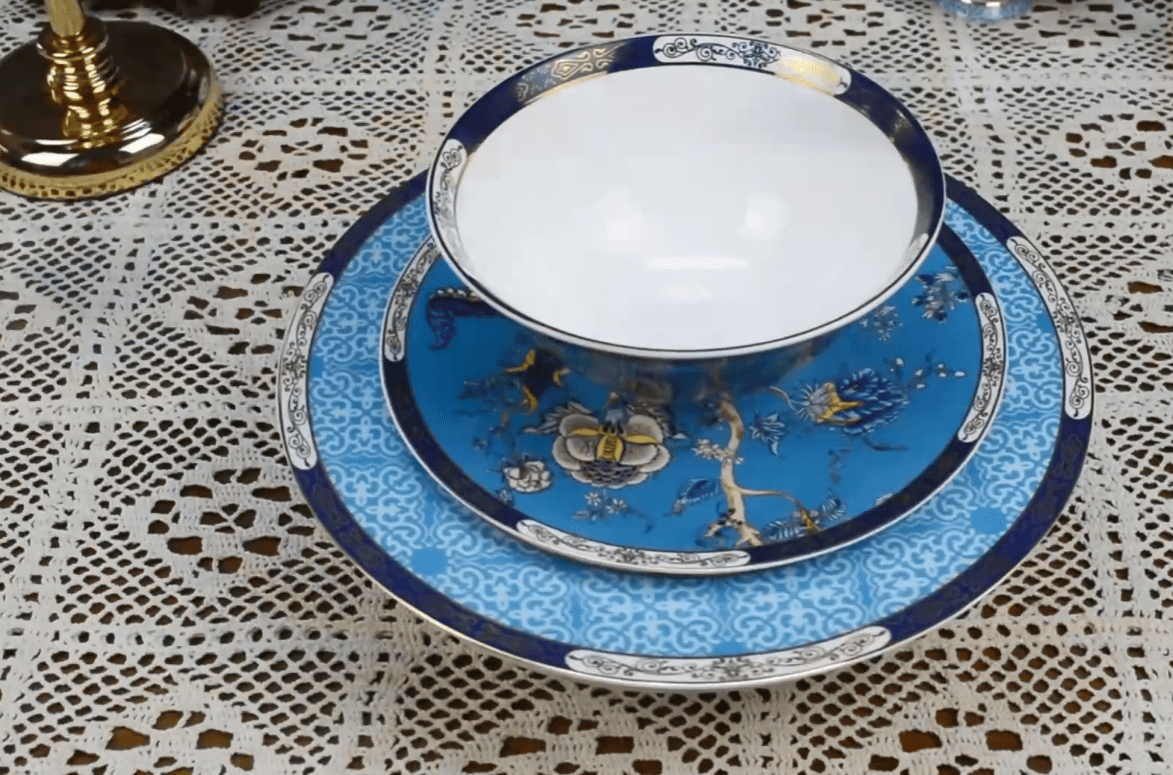
When you examine the edge of a dinner plate, you might discover fine gold detailing. This adds to the overall appeal and worth of the piece.
Knowing the production history of your tableware helps you communicate its value to potential buyers. They often look for authentic items with a verified background.
Expert Tips and Valuable Online Resources
Navigating the world of collectible porcelain becomes easier with guidance from seasoned experts and trusted references. These resources provide clarity and help you make informed decisions about your collection.
Utilizing Professional Appraisal Services
Seeking an expert opinion is wise for significant pieces. A qualified appraiser offers a detailed assessment of your porcelain.
They can identify the manufacturer and era, adding historical context. This information is crucial for insurance or sale purposes.
Choose a professional with specific experience in your china type. Their specialized knowledge ensures accurate valuation.
Recommended Websites and Reference Books
Many online websites host databases of maker’s stamps. These tools help you trace the origin of your set.
Reference books are invaluable for learning the name of your china pattern. They provide historical background and production details.
Professional tips for care are also available. Proper handling preserves delicate gold trim and overall condition.
For instance, gentle hand-washing avoids damage to decorative edges. Correct storage prevents chips and cracks in your cherished items.
Selling Your China: Strategies and Considerations
A successful sale hinges on two key actions: meticulous preparation and strategic market timing. Whether you have a single cherished piece or a full service, these steps help you present your collection effectively.
Preparing Your Dinnerware for Sale
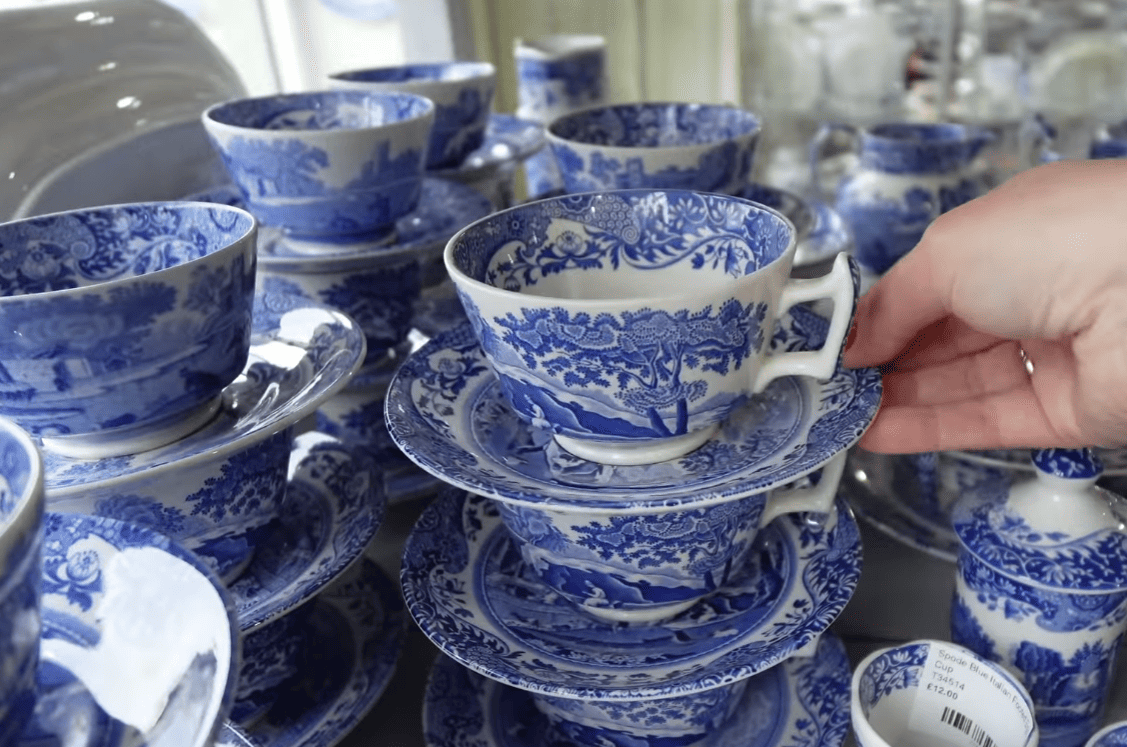
Begin by gently cleaning each item with mild soap. Avoid harsh chemicals that could damage delicate gilt. Document all details found on the bottom. This includes the manufacturer‘s name, any date stamps, and pattern identification.
Clear photos of these marks are essential for serious buyers. Capture images of the stamps and the overall condition. Writing a detailed description builds trust. Note the state of the gold trim and plate edges.
Highlight any rarity in the china pattern. For popular sets like Spode Stafford White or Royal Copenhagen, this information is particularly valuable. Complete sets often attract more interest than individual pieces.
Maximizing Profit and Timing the Market
Market demand for specific china patterns fluctuates throughout the year. Research current trends to choose the best listing time. Spring and holidays often see increased activity for tableware.
Patience is key; finding the right buyer for vintage pieces can take time. Accurate production history increases your chances. Provide facts about the set‘s origin and era.
This careful approach protects the long-term value of your collection. Expert tips emphasize patience and thorough documentation. With good preparation and timing, you can achieve a satisfying return on your dinnerware.
Conclusion
Armed with knowledge, you can now appreciate and navigate the vibrant market for collectible porcelain with assurance. Understanding the history behind your items allows for informed choices about their future.
Researching each unique pattern reveals the artistry invested in every piece. This deepens your connection to the craftsmanship of bygone eras.
Always assess the physical state and scarcity of your collection. These factors are crucial for understanding its potential in the marketplace.
Utilizing expert resources provides the confidence to make sound decisions. Professional insights help verify the stories your tableware tells.
We hope this guide empowers you to uncover the value and beauty in your own home. Your cherished patterns are more than dishes; they are legacies of design.