
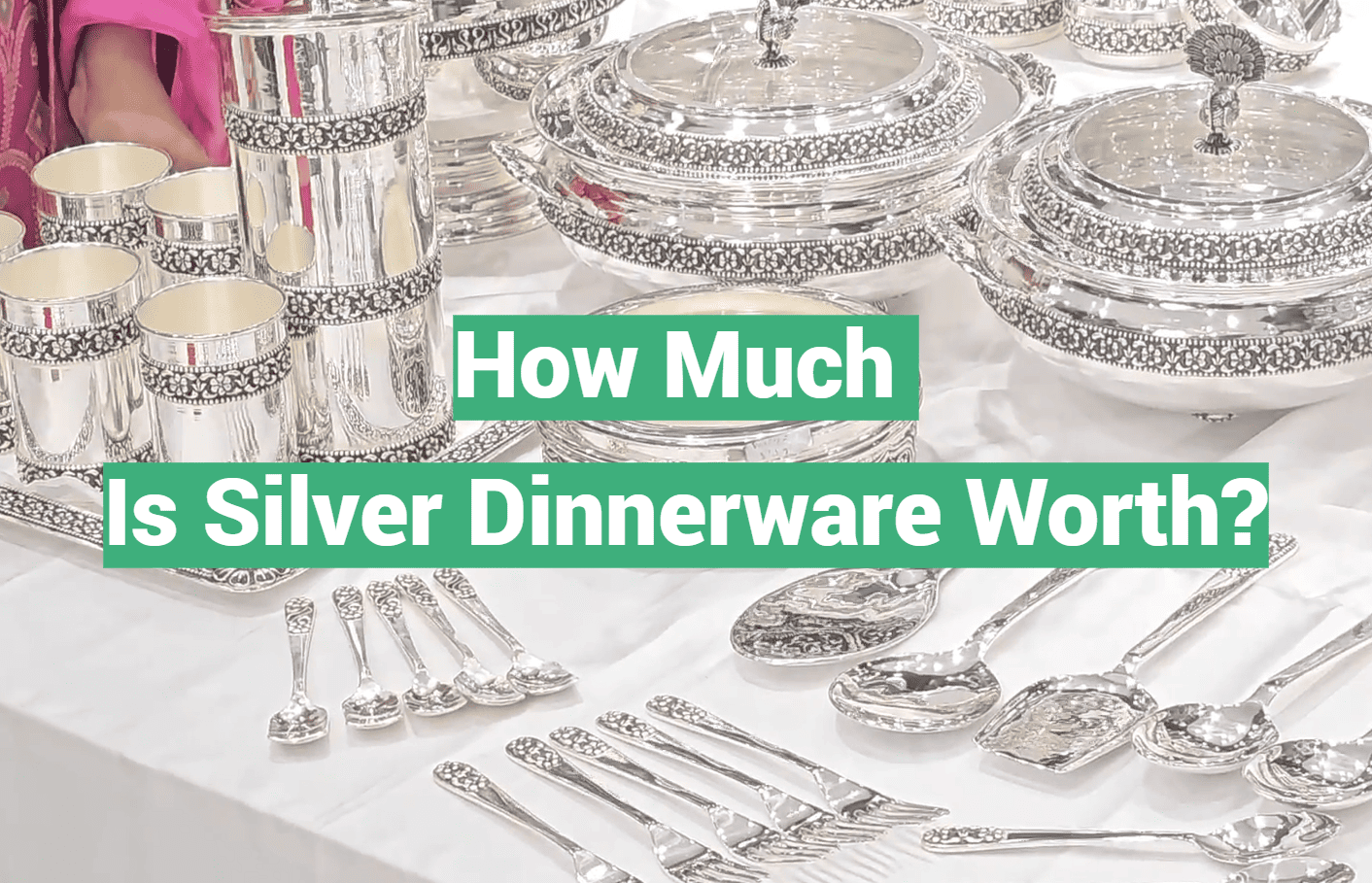
That elegant set passed down through generations holds more than sentimental value. The precious metal within it has a baseline price of approximately $37.02 per troy ounce as of August 2025.
However, the final appraisal of your tableware often far exceeds this raw material cost. Factors like craftsmanship, age, and the maker’s mark play a huge role.
Discovering family heirlooms in an attic or at an estate sale sparks a common question about their financial significance. Determining an accurate figure requires a careful look beyond simple weight.
Our guide offers expert insights into authenticating pieces, evaluating condition, and understanding market demand. Whether you’re considering a sale or aiming to preserve a legacy, we provide the knowledge for confident decisions.
Key Takeaways
- The base value of your items is tied to the current spot price of the precious metal.
- Authenticity, determined by hallmarks and maker’s marks, significantly impacts worth.
- Age, historical period, and rarity are critical factors for collectors.
- Condition, including wear, dents, or polishing, directly affects appraisal.
- Professional evaluation from a certified appraiser is recommended for high-value sets.
- Market demand fluctuates based on trends and collector interest.
- Proper care and storage help maintain both monetary and sentimental value.
Introduction to Silver Dinnerware Valuation
Valuing silver table settings involves more than just weighing the metal. It’s a journey into artistry and history.
This guide clarifies that complex process. Many people inherit or acquire silverware without knowing its financial significance.
Purpose of This Buyer’s Guide
Our resource provides a clear roadmap for owners. It helps you understand your collection’s market value in today’s economy.
You will learn to distinguish high-value sterling items from decorative pieces. The latter often hold primarily sentimental or aesthetic worth.
Overview of Silver’s Heritage and Appeal
Silver has been a symbol of luxury for centuries. It evolved from practical coinage in the 1700s to a status symbol on dining tables.
The intrinsic value of the metal competes with artistic and historical significance. This duality defines the appeal of antique tableware.
Recognizing this heritage is key to a proper valuation. It transforms simple metal into a storied treasure.
The Legacy and History of Silver Dinnerware
Beyond its gleaming surface, silver dinnerware carries a rich narrative of artistic evolution. This legacy transforms simple table items into cherished historical artifacts.
Owners often discover that a set’s true significance lies in its journey through time. The story of these objects reflects changes in taste, technology, and society.
Evolution Through Generations
In the 18th and 19th centuries, skilled artisans created exquisite pieces by hand. The Victorian era popularized ornate designs, making fine tableware a mark of household refinement.
Manufacturing changed dramatically by the late 1800s. New techniques allowed for the broader production of complete sterling sets. This shift made elegant place settings more available to a growing middle class.
Influence of Renowned Makers
Legendary figures like Paul Revere set an early standard for craftsmanship. His intricate designs remain highly sought after by collectors today.
Later, companies such as Gorham and Tiffany & Co. became industry leaders. Their innovations in mass-production defined an era while ensuring consistent quality. The provenance from these famous makers adds a notable premium to antique collections.
Recognizing a maker’s mark helps identify an item’s era and potential rarity. This knowledge is crucial for understanding any piece’s full story and market appeal.
Understanding Silver Dinnerware: Material and Types
Material composition separates truly valuable heirlooms from decorative look-alikes. Knowing the difference is essential for any accurate appraisal.
This knowledge forms the bedrock of valuation. It directly informs whether your set holds intrinsic metal value or primarily aesthetic appeal.
Sterling Silver versus Silver-Plated Items
Authentic sterling silver is a specific alloy. It contains 92.5 pure silver, with the remaining 7.5% typically being copper for added strength.
This standard is often verified by a “925” stamp. In contrast, silver-plated items have only a thin micron layer over a base metal like nickel.
These plated pieces may bear markings like “EPNS” (Electroplated Nickel Silver). While beautiful, they lack the precious metal content of solid sterling silver.
Identifying Key Markings and Hallmarks
Careful inspection of markings is your first step. Look for small engravings or stamps on the underside of each piece.
Hallmarks can indicate maker, origin, and the 92.5 pure silver standard. Finding these identifiers confirms you have genuine sterling silver, not a plated alternative.
This verification is the most critical step in determining your tableware’s potential monetary significance.
how much is silver dinnerware worth
Every piece of silverware carries a dual potential: its weight in metal and its merit as art. Determining its financial significance means navigating between these two distinct frameworks.
The final appraisal balances simple arithmetic with more subjective, collector-driven premiums.
Factors Affecting Intrinsic and Collector Value
The intrinsic value is the foundation. It comes from the precious metal content itself.
For example, a sterling silver spoon weighing 1.5 troy ounces has a base melt value near $51.36. This figure is derived from the current market price.
Collector value arises from different sources. Rare patterns, famous makers, and documented history create a premium. Condition and age are critical here.
Scrap Value Versus Artistic Value
Scrap value is a straightforward calculation. You multiply the weight by the spot price.
Artistic value often soars far above this baseline. Collectors pay extra for beauty, rarity, and provenance.
Balancing these methods ensures you get a fair offer. The table below highlights key contrasts.
| Scrap Value Factors | Artistic Value Factors |
|---|---|
| Current metal spot price | Rarity of the pattern |
| Total weight in troy ounces | Reputation of the manufacturer |
| Purity of the alloy (e.g., 925) | Condition and absence of damage |
| Market for bulk precious metals | Historical documentation and provenance |
| Immediate liquidity | Current trends in collector demand |
Sellers should consider both columns. A piece might have high melt and high artistic worth. Understanding this duality is key.
Identifying and Verifying Authentic Silver
The first step in uncovering the truth about your collection is learning to read its hidden language. Authenticity forms the cornerstone of any accurate appraisal. Without it, you cannot determine if your pieces are valuable heirlooms or decorative look-alikes.
This process involves both careful observation and simple scientific checks.
Spotting Hallmarks and Stamps
Begin with a visual inspection of each piece. Turn it over and look for tiny engravings on the underside.
These official markings are the metal’s signature. You might find a “925” stamp, indicating 92.5% pure silver. Other stamps can reveal the maker and country of origin.
Genuine sterling always bears these identifiers. Their presence is your first strong clue.
Using Testing Methods: Magnet and Acid Tests
If markings are unclear, physical tests can help. A simple magnet test is a good start. Real sterling is non-magnetic, so it will not stick.
A reaction suggests a base metal beneath a thin plate. For definitive proof, a professional acid testing kit is used. A drop of acid on a discreet area will change color based on purity.
Handle all tests with extreme care to avoid damaging delicate surfaces. When in doubt, a certified appraiser provides the safest verification for your precious items.
Assessing Condition, Age, and Rarity
Three critical elements—condition, age, and rarity—ultimately define the market appeal of your heirloom pieces. A keen eye for detail here separates ordinary tableware from truly exceptional collections.
This assessment directly informs whether your items are best suited for a collector or the scrap market. Each factor tells a part of the story.
Impact of Wear, Tarnish, and Repairs
The physical state of your collection is paramount. Dents, deep scratches, or obvious, poor repairs can significantly lower the resale price.
Minor tarnish is expected and often easily remedied. However, significant wear that exposes the underlying base metal causes a drastic reduction in overall value.
Appraisers look for original patina and structural integrity. Any alteration from its original state is carefully noted.
Antique Versus Modern Pieces
Age brings its own premium. Antique items from the Georgian or Victorian eras often command higher prices due to their superior craftsmanship and scarcity.
These older silver pieces were frequently made with techniques no longer common. Modern sets, while beautiful, typically lack this historical rarity.
Collectors strongly prioritize complete, matching services. Assembling a full set is difficult, making intact collections far more desirable than individual pieces.
Understanding the age and context of your tableware helps you decide its final destination. Is it a collectible with artistic value, or is its primary worth in the metal itself?
The Role of Brand, Design, and Patterns
Your flatware’s ultimate worth is frequently decided by the signature on its back and the artistry on its front. Renowned manufacturers and distinctive patterns create a powerful collector premium.
This premium often dwarfs the simple melt value of the metal. Understanding this hierarchy is essential for a fair appraisal.
Recognizing High-End Makers and Patterns
High-end brands like Tiffany & Co. are legendary for their quality. Their “Chrysanthemum” pattern, for example, can command between $5,000 and $20,000 for a complete service at auction.
Specific designs themselves become icons. Reed & Barton‘s ornate “Francis I” pattern is highly sought after for its detailed scrollwork. Discontinued or rare patterns are especially valuable due to their scarcity.
Always inspect the back of your sterling silver flatware for a maker’s mark. This small stamp is your most important clue for identifying the manufacturer and unlocking its market potential.
| Maker Tier | Defining Features | Primary Value Drivers |
|---|---|---|
| Iconic (e.g., Tiffany & Co.) | Exquisite craftsmanship, historic prestige, signature patterns. | Auction demand, brand reputation, artistic merit. |
| Esteemed (e.g., Reed & Barton) | High-quality production, popular and ornate designs. | Pattern collectibility, completeness of sets, condition. |
| Standard Sterling | Well-made, functional sterling silver flatware from various makers. | Metal weight, usability, simpler design appeal. |
Knowing which tier your pieces belong to protects your investment. It ensures you pursue the right market when the time comes to sell these treasured pieces.
Calculating Melt Value and Spot Price Dynamics
The metal in your collection has a price that changes every day, influenced by factors far beyond your dining room. This daily spot price sets the baseline for your set’s raw material worth.
Knowing how to find this number empowers you. It separates the intrinsic metal value from any artistic or historical premium.
Understanding Troy Ounces and Purity
Precious metals are weighed in troy ounces, not standard ounces. One troy ounce equals 31.1 grams.
You must use this specific measurement for an accurate calculation. Next, consider purity. Sterling is an alloy of 92.5% pure silver and 7.5% copper.
This means only a portion of your item’s total weight is pure precious metal. You find the pure content by multiplying the total troy ounce weight by 0.925.
The global spot price fluctuates with economic conditions and industrial demand. It is the live market price for one troy ounce of pure metal.
To find your melt value, multiply your pure silver content by the current spot price. This figure represents the absolute minimum your items are worth to a refiner.
It is the financial floor. Any collectible value sits firmly on top of this base melt value.
Where and How to Sell Your Silver Dinnerware
A successful sale hinges on matching your specific pieces with the most suitable purchasing channel. Several options exist, each with different advantages for your silver flatware.
Your choice directly impacts the final price you receive. Understanding the landscape helps you maximize your return.
Online Marketplaces and Auction Houses
Platforms like eBay connect you with a global audience. This broad reach is ideal for rare patterns or complete sets.
Specialized auction houses, such as Sloan’s, cater to serious collectors. They have sold sets like Gorham’s “Chantilly” for impressive sums, highlighting strong market value for desirable items.
Choosing the right platform is often the difference between a fair offer and a disappointing one.
This route can significantly boost your resale value by tapping into dedicated collector networks.
Local Dealers and Precious Metals Buyers
Reputable local buyers offer professional, in-person evaluations. For example, M.I. Trading in Austin, TX, specializes in purchasing sterling silver flatware.
They understand both the precious metals content and collector appeal. Researching the current market value of your pattern before visiting gives you negotiation power.
Pawn shops provide quick cash but typically offer the lowest price. They are a last resort for selling valuable heirlooms.
| Platform | Best For | Key Advantage | Consideration |
|---|---|---|---|
| Online Auction | Rare patterns, complete services | Access to global collector demand | Fees and shipping logistics |
| Local Specialist Buyer | Getting a professional appraisal & fair offer | Expertise in both metal and art value | Requires research to find reputable firms |
| Pawn Shop | Immediate liquidity needs | Fast transaction | Often yields the lowest resale value |
Care, Cleaning, and Maintenance Tips
Preserving the beauty and worth of your heirloom tableware requires consistent, gentle care. A dedicated routine protects both its financial value and its gleaming appearance for future generations.
This upkeep is straightforward but crucial. It prevents environmental damage and maintains the integrity of each piece.
Proper Cleaning Techniques for Preservation
Always use a soft, non-abrasive polish designed for fine sterling silver. Harsh chemicals or rough cloths can scratch the soft metal surface permanently.
Gentle washing with mild soap and warm water works for regular use. Dry each item immediately with a lint-free towel to prevent water spots.
“Proper cleaning isn’t about aggression; it’s about respecting the material’s nature.”
This mindful process removes tarnish without stripping away the cherished patina that adds character to antique items.
Optimal Storage and Handling Practices
Storage is your best defense against tarnish. Keep your sterling silver flatware in anti-tarnish bags or a lined chest.
These special materials block sulfur in the air that causes oxidation. Handle pieces with clean, dry hands or wear cotton gloves.
Skin oils can accelerate discoloration over time. For major restoration questions, always consult a professional silversmith to preserve your collection’s historical value.
Conclusion
Assessing your collection’s significance blends financial insight with historical appreciation. A balanced approach evaluates both the intrinsic metal content and the stories behind your treasured heirlooms.
Identifying hallmarks and researching patterns leads to a confident assessment of these items. Understanding the current spot price further clarifies their market position.
Whether you sell to a dealer or preserve them as family keepsakes, proper care maintains their long-term worth. This guide aimed to provide clarity for navigating the precious metals market successfully.
Ultimately, the true value of your pieces lies in their monetary potential and the personal legacy they carry forward through generations.