
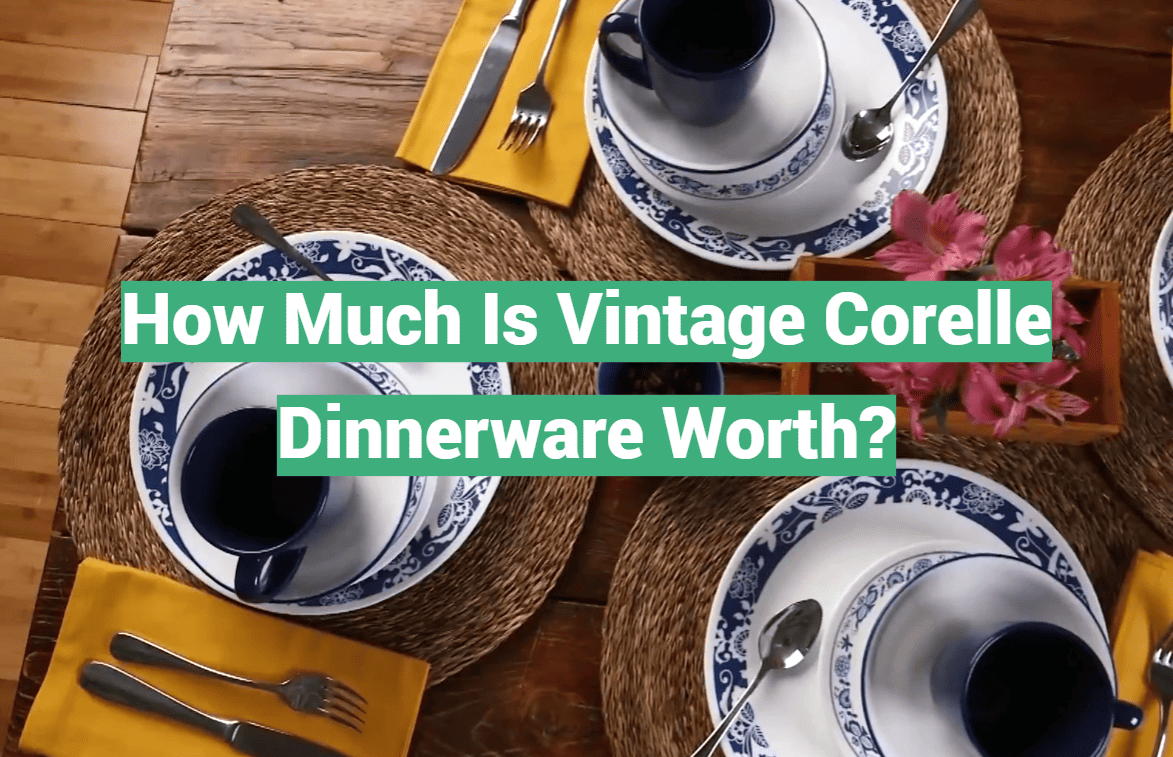
Since hitting store shelves in the early 1970s, these iconic dishes have become a staple in millions of American kitchens. Their blend of practicality and style created a lasting legacy.
First made by Corning Glass Works, this brand is famous for being tough, light, and always in fashion. Many families have used the same sets for decades, a testament to their quality.
It’s no wonder people discover these classic pieces and wonder about their potential. This guide offers clear information to help you understand your collection’s true market value.
We’ll look at the history of these popular Corelle dishes and why enthusiasts still seek them out. You’ll learn what makes certain patterns special and how condition affects price.
Our goal is simple: to give you the knowledge needed to see if your dinnerware is everyday china or a hidden treasure.
Key Takeaways
- Corelle dinnerware was first produced by Corning Glass Works in the early 1970s.
- The brand is celebrated for its durable, lightweight, and stylish design.
- Many factors, including pattern, production year, and condition, determine an item’s market value.
- This resource provides expert insight to help both new and experienced collectors.
- Accurate data is essential for correctly identifying and assessing your pieces.
- Understanding these elements can reveal if your collection holds significant worth.
Introducing Vintage Corelle Dinnerware
The story of these enduring pieces starts with a scientific breakthrough in glass technology. Corning Glass Works launched this line in 1970, changing home meals forever.
Its success lies in a special material. This innovation created tableware that felt familiar yet performed unlike anything before.
What Makes Corelle Unique
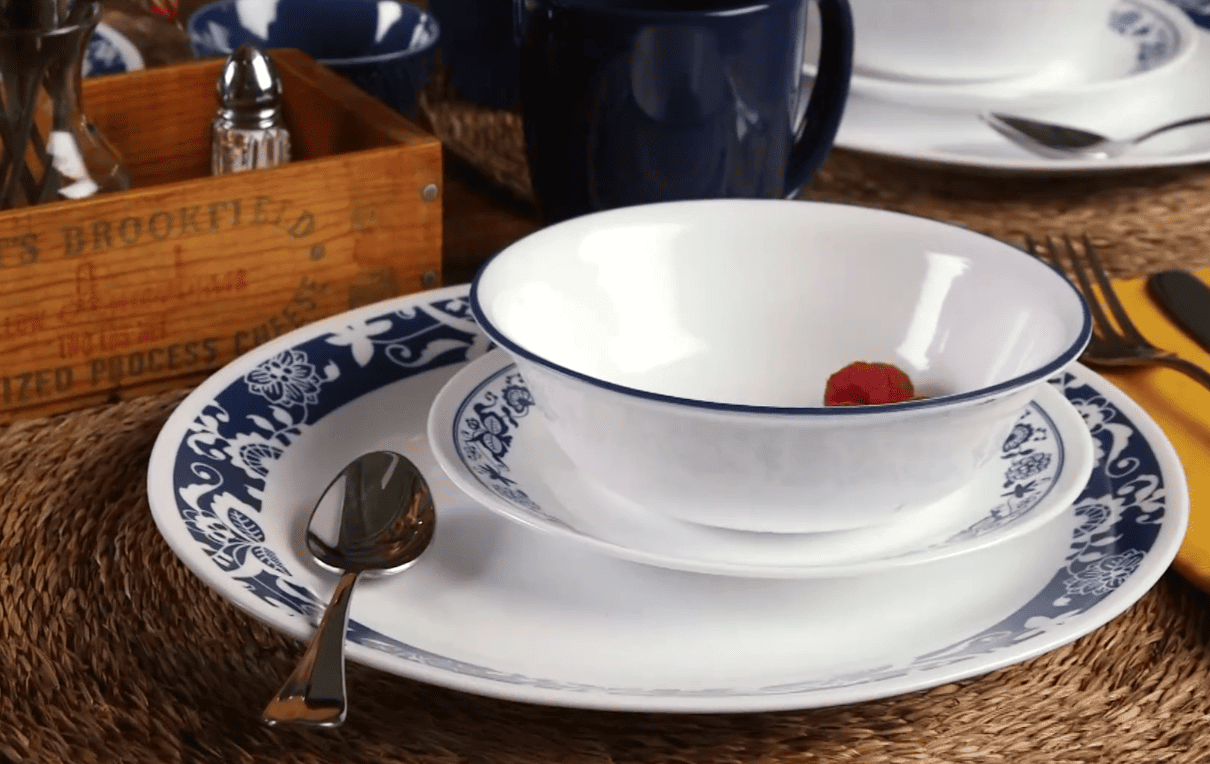
The secret is called Vitrelle glass. It’s a three-layered, bonded material that fuses strength with a delicate feel.
This construction gives the dishes a legendary resistance to chipping. They are remarkably lightweight yet survive daily use for decades. Many families have used the same bowls and cups for over fifty years.
A Brief Background
When these items first appeared, they offered a fresh design. The patterns and colors are applied to the top layer of the glass. This technique keeps the artwork looking new.
Finding details about your pieces is straightforward. Look for the backstamp on the bottom. It often shows the manufacturing date and brand name.
Enthusiasts share their finds on dedicated sites. Experts note that a set’s value is closely linked to its condition. A well-kept pattern from the early days can be quite special.
History and Evolution of Corelle Patterns
From its launch, Corelle offered more than durability. It presented a canvas for decorative art that defined eras.
The patterns that emerged tell a vibrant story of American home life through the decades.
The Inception of Corelle Dinnerware
The brand’s first offering was the simple Frost White pattern in 1970. This clean, all-white design highlighted the material’s sleek glass surface.
It became an instant staple, proving that timeless style could be both affordable and tough.
Development of Timeless Designs
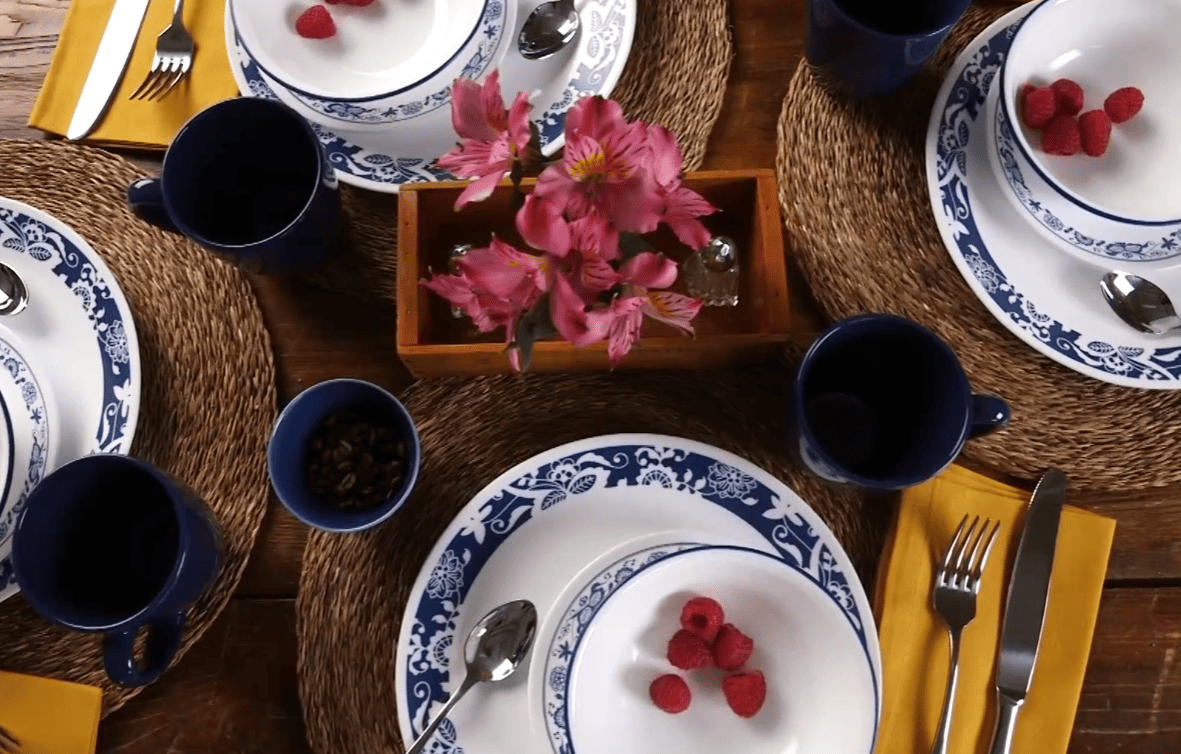
Soon, colorful motifs arrived. Cynthia Gerow’s Old Town Blue debuted in 1972, inspired by classic blue onion pottery.
The cheerful Spring Blossom Green, nicknamed “Crazy Daisy,” featured bold green flowers. It remained popular for sixteen years.
Another favorite, Butterfly Gold, brought delicate golden-yellow butterflies to the table from 1971 to 1981.
The Corning Connection
Corning’s rigorous standards ensured every dinnerware set was kitchen-ready. Their process guaranteed heat resistance and lasting quality.
This commitment is why many vintage pieces remain in excellent condition today.
Complete sets, especially for eight, often carry a higher value among collectors seeking specific items.
how much is vintage corelle dinnerware worth: Key Factors to Consider
To accurately gauge a set’s desirability, one must examine a combination of historical and physical attributes. These elements work together to determine market appeal and final price.
Rarity, Age, and Pattern Recognition
The production period greatly affects scarcity. Limited editions from short runs often command higher prices.
For example, the original Frost White pattern is highly sought after. Age also plays a role.
Pieces from the 1970s often attract more interest than later models. Knowing the exact pattern name is crucial for research.
Condition and Design Influence
The state of each item is paramount. Plates with chips, cracks, or faded patterns lose significant market value.
Collectors prize mint condition pieces. Design clarity matters a great deal.
Bright, unfaded flowers and motifs maintain appeal. Excessive utensil marks on a dinner plate can lower the price.
| Factor | Description | Impact on Value |
|---|---|---|
| Condition | Absence of chips, cracks, or pattern fading. | High. Mint items can be valued 50-100% more. |
| Rarity | Discontinued patterns or limited production runs. | Very High. Drives collector demand and price. |
| Age | Typically, older pieces from the first decade. | Moderate to High. Influences historical interest. |
| Pattern | Clarity, popularity, and recognition of the design. | High. Well-known, bright patterns are most desirable. |
Identifying Your Vintage Corelle Pieces
The first step in uncovering your dinnerware’s story is to examine its physical identifiers. Look at the bottom of each dish for official marks.
These stamps provide crucial information about age and origin.
Recognizing Marks and Trademarks
Authentic vintage pieces feature a “Corelle by Corning” backstamp. Items made before 1998 often show the “CorningWare” name.
This helps date your find. If the stamp faded over the years, don’t worry. Compare your pattern to online collector databases.
Tips for Authenticating Patterns
Verify the pattern name to avoid modern reproductions. Check the color palette on plates and bowls.
Original design colors are consistent. A complete dinnerware set with original packaging is rare but adds value.
When in doubt, consult experts. Some patterns look very similar.
| Identification Feature | What to Look For | Why It Matters |
|---|---|---|
| Backstamp | “Corelle by Corning” or “CorningWare” logo on the bottom. | Confirms authenticity and helps determine the manufacturing era. |
| Pattern Clarity | Sharp, unfaded imagery and defined colors. | Indicates good condition and supports a higher valuation. |
| Color Palette | Specific hues associated with the official pattern. | Helps distinguish genuine vintage Corelle dishes from imitations. |
| Age Indicators | Presence of the CorningWare mark (pre-1998). | Directly links pieces to the more collectible early production years. |
Market Trends and Valuation Tips
Navigating the resale market for classic tableware requires understanding current demand and pricing dynamics. Popular platforms show most vintage Corelle sets listed between $25 and $100.
A full dinnerware set can range from $120 to $1000. This depends on the rarity and condition of the pieces.
Pricing Overview and Set Valuations
Market trends indicate a complete service often sells for around $60 online. Individual plates or bowls may fetch $5 to $25 each.
Rare patterns command much higher prices at auction. The value is tied directly to collector desire for specific designs.
Advice for Buyers and Sellers
When selling your dishes, provide clear photos of every plate and bowl. Transparency about any chips maintains a good reputation.
Experts suggest researching recent sales of similar items for a realistic idea of your collection’s worth.
Buyers pay more for matching sets with serving pieces. List each item by its official pattern name to attract the right audience.
Understanding current demand for certain patterns leads to informed decisions.
Expert Insights on Vintage Corelle Dinnerware
Beyond buying and selling, a community of dedicated collectors shares invaluable wisdom. Their experience offers the best practices for preserving your tableware’s appeal.
Following their advice protects your investment and keeps pieces beautiful for future use.
Collector Recommendations
Proper care is straightforward but crucial. Always clean your dishes with mild soap and lukewarm water.
Use a soft, non-abrasive cloth. Harsh scrubbers can permanently scratch the glass surface.
Gentle handling preserves the pattern‘s clarity, which is vital for maintaining value.
For stubborn residue or rust spots, a mild vinegar solution often works wonders. Rinse and dry each piece thoroughly after washing.
Smart storage also makes a difference. Keep your set in a dry, stable cabinet. Avoid stacking plates and bowls without protective felt liners.
Resources for Further Information
Connecting with other enthusiasts is a great way to learn. Numerous online forums are dedicated to sharing information.
Members discuss rare finds, history, and authentication tips. These communities are treasure troves of collective knowledge.
For personal records, experts suggest maintaining an inventory. Note the pattern name and suspected production year for each piece.
Several books and websites document the full history of Corning glass products. This research deepens appreciation for your collection.
By applying these insights, collectors ensure their cherished dishes remain in excellent condition for many years.
Conclusion
Assessing your collection of classic tableware connects you to a rich design legacy and practical history. Determining its market value is a rewarding process that blends historical appreciation with careful inspection.
Understanding the importance of pattern, condition, and rarity allows for accurate valuation. Whether you use these dishes daily or display them as collectibles, they offer a unique glimpse into 1970s design trends.
Always verify authentic backstamps and consult experts if uncertain about your items. With gentle cleaning and proper storage, your complete dinnerware set will remain functional and beautiful for years.
Cherished patterns like Spring Blossom or Butterfly Gold bring color and nostalgia to any table. Their durable construction ensures your bowls and cups withstand daily use while holding potential value.
We hope this resource provided the information needed to appreciate and manage your cherished Corelle dishes.